


There are many gastronomic options in this region, which is known for its delicious snacks. Here is a brief journey through the gastronomy of Sertã and its most characteristic dishes.
We begin, of course, with Maranhos, whose origins in the municipality date back to the 19th century. Their preparation requires knowledge and experience, given the specific nature of the recipe. The sheep/goat stomach is washed with boiling water, scraping very well. It is cut into pieces, which are sewn together with thread to form pouches. Separately, sheep/goat or kid meat, chorizo, ham, and plenty of finely
chopped mint are minced into very small pieces. They are seasoned with salt, pepper, and white wine, and left to marinate overnight. The following day, they are filled halfway into pouches, after mixing in well-washed raw rice. They are then cooked in water with salt and mint, after closing the openings with needle and thread.
The second delicacy is Stuffed Tripe, brought to the municipality by people from the Sertã region who were harvesting in the Agreste. However, they refined the recipe differently: the meats are cut into pieces, seasoned with garlic, salt, and white wine. A sauté is made with chopped onion, olive oil, vegetable oil, margarine, cloves, a bay leaf, a sprig of parsley, and a clove of garlic. After sautéing, the meats are mixed in and left to stew; when they begin to brown, the marinade is added. The pot is covered and left to cook. If it starts to dry out, a little white wine or water is added. Then the cooked meats are removed, and the rice is cooked in the same place where the meat stewed. After the rice is cooked and well-opened, the pot is removed from the heat and the bread is mixed in, followed by the well-beaten eggs. It is returned to the heat to cook the eggs, stirring constantly to prevent sticking. Finally, mix in the chopped parsley, orange juice, and lemon juice. Stuff the pig’s stomach, previously washed and thoroughly dried, with a cloth, but not too much so it doesn’t burst. Sew the openings closed with a needle, chop two or three cloves of garlic, add a little paprika and a little olive oil. Rub the stomach with this mixture and bake in a very hot oven for about half an hour. Prick it occasionally with a needle to prevent it from bursting.
For stronger stomachs, we suggest the Grain and Pasta Dish. Nothing could be easier to prepare: the day before, soak the grains, and the next day cook them with the pork and sausage. Once the meat and grains are cooked, remove the meat and sausage, cut them into pieces, and mix them back into the grains. Then add the rice and pasta, let it cook again, and serve immediately.
Also worth mentioning is Cacholada. This side dish, also called sarrabulho, is typical of pig slaughtering season. The entrails (the membrane surrounding the intestines) and the liver of the animal are cut into pieces, seasoned only with salt. Olive oil is put in a frying pan, the entrails are fried, and then the liver. You remove it, finely chop the onion and brown it in that fat. The cooked pig’s blood is crushed by hand and mixed with the onion. Season with salt to taste. It is served with fried pork chops, black pudding, spare ribs, and a boiled potato and greens. On the serving dish, it is arranged in small mounds.
In the fish section, we highlight the River Fish Stew in the style of Foz da Sertã, a recipe very characteristic of this area of the parish of Cernache do Bonjardim. First, all the seasonings are placed in a pot or pan over the heat, sautéing well until the onion is golden brown. As soon as the sauté is ready, white wine is added and brought to a boil, along with a little water. The fish is cooked in this prepared sauce, being removed as soon as it is cooked.
Then, thinly sliced bread is crumbled into the same sauce, stirring everything well until the bread is slightly broken down. The fish is served alongside this stew.
From the same region comes River Fish in Escabeche Sauce. To begin, the fish needs to be prepared, scaled, and gutted; then rinsed in clean water and seasoned with salt. In a large frying pan, add oil and a little olive oil, let it heat well; coat the fish in wheat flour and fry it. In the sauce where the fish was fried, add sliced onion, minced garlic, a few bay leaves, a pinch of salt and chili to taste; after browning, add vinegar and let it simmer a little longer. Pour this sauce over the previously fried fish. Serve hot or cold, accompanied by boiled potatoes and salad.
For starters, we highlight the Bread Soup. It’s not difficult to make: cut bread into small slices and layer them in a soup bowl. In a saucepan, boil a chorizo sausage in salted water. Once cooked, slice it thinly and place it on top of the bread soup, along with a few sprigs of mint. Finally, pour boiling water over the soup and cover the bowl for a few minutes.
Those with a sweet tooth also have plenty of reasons to visit the municipality of Sertã. The Almond Pastries in the Cernache style are the star attraction. To make the dough, place the flour in a bowl. Add the melted butter. Then add one egg at a time. Knead everything very well. Roll out the dough and cut it into squares. Line the outside of the pastry shells, brush with beaten egg, and sprinkle with coarsely ground almonds. Bake in the oven. For the filling, pour 4 dl of water into a saucepan along with the sugar and bring to a boil until it reaches the soft ball stage. Add the ground almonds. Once boiling, remove from the heat and let it simmer until thickened. (The heat should be low, stirring constantly). Fill the pastry shells with this filling and they are ready to serve.
Sweet snacks are another typical dessert of the area, although their preparation is largely confined to the months of October and November (All Saints’ Day season). However, nowadays it is possible to find them for sale outside of this period. Preparation requires great attention: the flour is kneaded with a little hot water (to which salt is added). Aniseed, cinnamon, and yeast are added, the yeast being dissolved in a little hot water and flour before being added to the dough. It is kneaded well, then left to rest for a few hours in a sheltered place until it has risen. You preheat the oven (usually not as hot as for bread). The snacks are shaped, brushed with egg yolk, and placed in the oven.
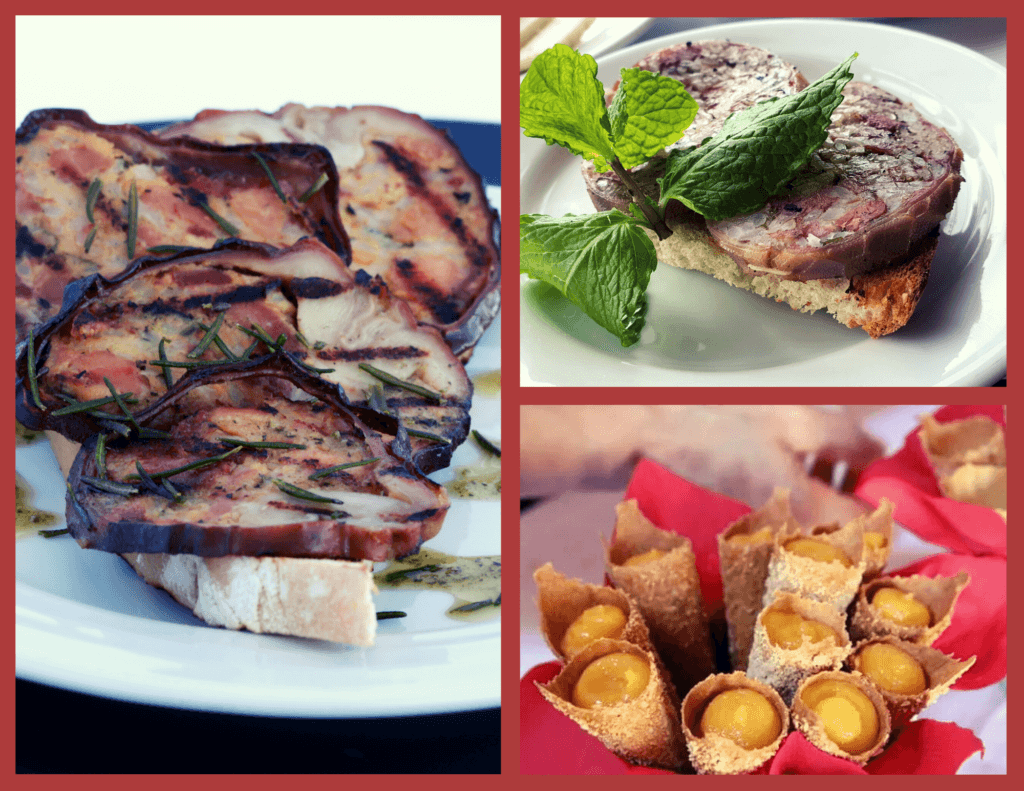
For those who want to try some of these dishes, the restaurants in the municipality of Sertã are an excellent option.